Birding the Oued Lauou river

Our tour group had fallen in love with the blue buildings and dramatic backdrop of the town of Chefchaouen.  But today it was time to follow the birds north and return to Europe.  From our location high in the Rif mountains, we followed the route of the Oued Lauou river all the way down from near its source to the bay where it meets the Atlantic Ocean, watching the ecology and vegetation change as we went. 

Oued Wow!

As we drove through the rugged countryside we could see numerous short-toed eagles and black kites following the same route as us and it was exciting to consider who would be the first to cross the Straits!

Frequent birding stops en route gave us more superb views of blue rock thrush foraging on farmland.  We got up close to a young male and got to appreciate the delicate scalloped patterning on his plumage, which is usually ignored because of the distracting vibrant blue colouration of more adult birds.

 Further on as the river furrowed its way through another precipitous gorge, we watched a thrilling battle between a Bonelli’s Eagle and two Ravens.  It appeared at first that the ravens were mobbing the eagle, but it’s also a possibility that this powerful and stocky predator had decided to try its luck making one of the ravens a prey item!

As the land levelled out and the river became wider, we stopped at a wide gravelly meander, which local folk were visiting to do their laundry and water their livestock.  Against a background of crested larks and zitting cisticolas, we enjoyed overhead peregrines and sparrowhawks, a perched short-toed eagle and the best views yet of Atlas Long-legged Buzzard, this time low over us in excellent light and in its most rufous morph.

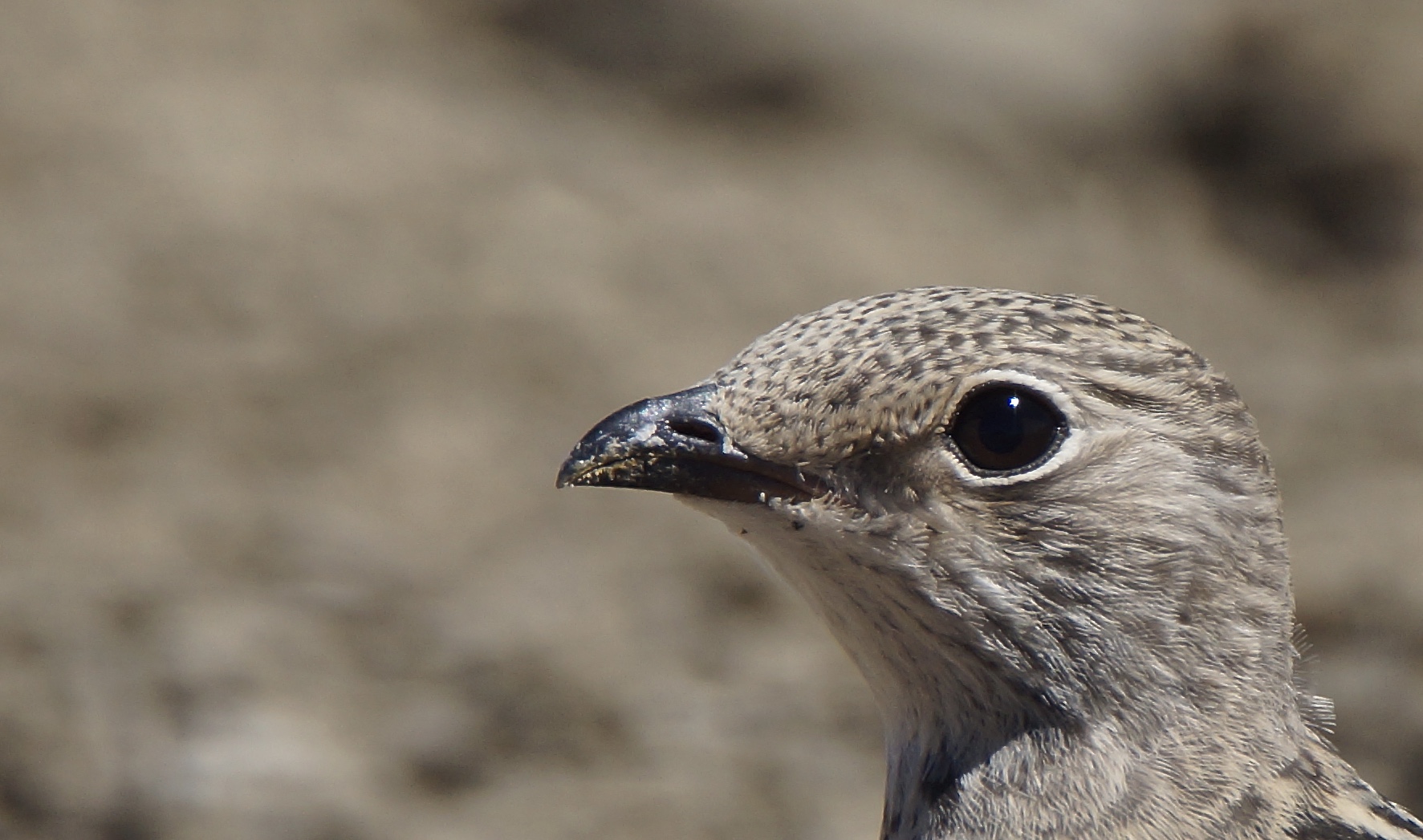
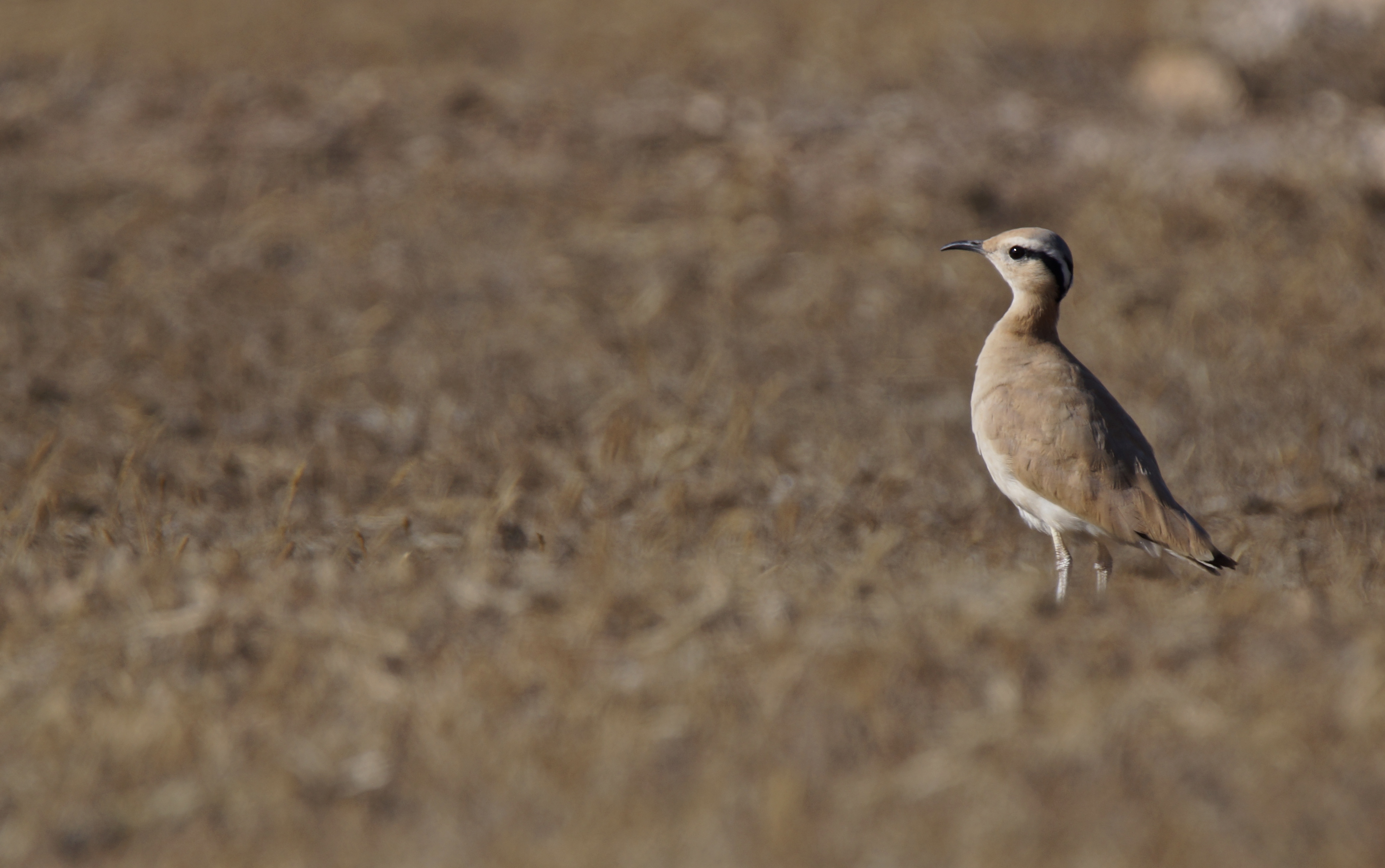
 We could hear Stone-curlews calling, and just as we were about to leave we finally spotted a bird on nest amongst the stones, barely visible except for its yellow eye.

 Carrying on downstream the river opened up into expanses of marshy land, on which we could see large flocks of egrets and glossy ibis and even a Black-winged Kite from the bus.  We reached the coast at lunchtime, and enjoyed taking our picnic from an improvised table in the form of an upturned fishing boat on the shore.

 fullsizeoutput_230afullsizeoutput_230c

Although a bit of a wait is always involved at the border crossing back into Ceuta, this is never boring and always gives a fantastic opportunity to swap birdwatching for people-watching for an hour or so, for those that are open minded enough to observe!  The crossing itself went smoothly and after taking refreshments at the port we were soon aboard the ferry and on our way back to Huerta Grande, where dinner awaited.

Do you need a bit of Lauou factor in your life?  Have a look at our Birding Two Continents tour, which still has places available for this September, or if you fancy even more Morocco then maybe our Choc & Pode Tour in June is right down your stream…


Urban birding in Morocco!

Our tour group from Honeyguides had enjoyed their sample of urban birding in Spain, now it was time to hit ’em with the hard stuff!  As we set out for breakfast in downtown Larache, they were in for another urban birding treat.  The café, under the arches of the promenades surrounding the town square, was right next to a colony of little swifts!  We were able to watch them come and go through the arches as we enjoyed strong coffee and Moroccan churros, and also admire their creativity as they patched up their nests with everything from feathers to bits of plastic!

Little swift colony in Larache

Next it was on to nearby Loukkos marshes, a wetland right on the urban fringe of Larache.  We spent a great morning there, and highlights included the group’s first views of glossy ibis, red-crested pochard, red-knobbed coot, Caspian terns, several brown-throated martins and a nice selection of common waders including little-ringed plovers, green sandpipers and black-winged stilt.

We were surprised by the incredible numbers of marsh harriers present, with probably half a dozen being visible in the air at any given moment, and a total of 20+ for the day.  We also enjoyed picking through a large flock of yellow wagtails which included flava, flavissima and iberiae races, a real treat to see these different markings together and be able to compare them.


The clouds close in at Loukkos

Unluckily – and unusually for the time of year – the weather was taking a turn for the worse, so we negotiated a deal with a nearby café, who allowed us to eat our picnic lunch of local breads and cheeses and salads in the shelter of their establishment, while also getting a warming glass of tea!

The journey through Bouachem forest was sadly very cold and wet, but this didn’t stop Simon and Niki valiantly getting out of the van to search for Levaillant’s green woodpecker and the resident population of Barbary macacques.  After numerous attempts we were unlucky so we carried on our journey without further ado.

Things had cleared somewhat by the time we reached Chefchouen, a town beautifully located in the Rif mountains.  The buildings and streets of its Old Town are painted many shades of blue, and from a distance appear to tumble down the hillside like a waterfall.  Its tiny streets, some barely a couple of yards wide, are an intriguing maze of tea shops, grocery stores and art galleries, and the group couldn’t help but be cheered by this fascinating new place.

Chefchaouen, the blue kitty city

Our hotel, the Ras el Maa, is reached through a small unimposing doorway in a row of traditional properties, but once inside opens up to reveal beautiful Moorish architecture full of open spaces and intricate archways.  Perhaps one of its best features from our point of view is the roof terrace, which affords breath-taking views of the village as it tumbles down the hillside, and the mountains of the Talessamtane National Park behind it.

Those of us that hadn’t remained in their rooms to relax before dinner were treated to a final hit of urban birding from here, as we watched Atlas long-legged buzzard, large groups of ravens and red-billed chough and a distance glimpse of two black wheatears while we enjoyed the evening call to prayer drifting out over the town.

We’re going again soon!  Wanna come with..?  Check out our Birding Two Continents tour this September, or maybe have a look at our June Morocco tour taking in Marrakech and Essaouira


A Herculean day’s birding!

As our boat arrived at Ceuta harbour on the coast of North Africa, we admired a statue of Hercules parting the twin pillars of the Rock of Gibraltar and the Jebel Musa mountain in Morocco.  For the ancient European civilisations, these two landmark rocky monoliths represented the gateway out of the Mediterranean and into the Atlantic, and hence the end of the known world.  For migrating birds, they form two major landmarks by which they navigate their short but perilous traverse of the sea.

We were now four days into our tour with a Honeyguides group – time to take them to a whole ‘nother continent!  After an early but hearty breakfast at Huerta Grande we set sail for Africa.  At 8.30am the docks were relatively quiet apart from a group of screaming Pallid Swifts, and we were soon on our way, seeing Northern Gannets and two Common Dolphins from the boat.

View from Oued Maarsa

We were soon making a short drive round the back of the second of these pillars, the beautiful Jebel Musa, before pausing at a café in the town of Oued Maarsa to regroup after the sea journey.  Juan-Louis, who had accompanied us from Huerta Grande bringing his expertise in all things Moroccan, secured the group their first tastes of North Africa in the form of delicious sweet mint tea and flat breads with fresh goat’s cheese.  While we waited, we started to get our first tastes of African variation, looking down onto a patch of scrub to see dapper African Chaffinches.

fullsizeoutput_1ef8

Even though it was only mid-morning, migration was already in full flow.  Among the columns of raptors gaining height in the morning sun we counted 50+ Black Kites, six Egyptian Vultures and over thirty Short-toed Eagles getting ready to cross the Straits, as well as the first Booted Eagle of the trip.

We enjoyed the leisurely two hour drive to our next site, to the famous Merja Zerga lagoon, through low-intensity subsistence farmland, green and lush with spring crops.

On arrival we went for a top up of refreshing mint tea, in a café from which we could see Laughing Doves and Common Bulbul flitting over the town.  Here we met with our local guide, Hassan, who is probably the most famous ornithologist in this part of the world.  Hassan has been guiding boat trips out onto the lagoon since he was a boy.  The lake is probably best known for being the last recorded site for the now extinct Slender-billed Curlew.  Hassan told the group about the site and about how he watched as the population declined throughout the 90s.  He has the poignant honour of being the person who provided the last known record of this species at the site, in 1995.

Today sadly there would be no sightings of Slender-billed Curlews (although it is of course common practice to attempt to string a Whimbrel or two!) but as the group headed out in two small boats we almost straight away came across a Slender-billed Gull, resting on a mudbank and boasting that gorgeous pink-y hue that they get in the breeding season.  Next to it were a group of dozens of sleek red-billed Audouin’s Gulls, once the world’s rarest gull but now recovering well.

Birding from a sand bank with local legend Hassan

The wetlands and mudflats teemed with life and Hassan pointed out hundreds of Grey and Ringed Plover, Bar-tailed Godwits, Whimbrels, Eurasian Curlews, Common Redshanks, Greenshanks, Green Sandpipers, Ruddy Turnstones and Dunlins.  We had a surreal few minutes birding from an isolated sandbank in the middle of the lagoon, from where we able a large group of Greater Flamingoes promenading together.

But even after this huge adventure of a day, the highlight was yet to come.  Hassan took us to a private area of local damp pastureland.  This is a roosting site for the endemic Moroccan Marsh Owl, and sure enough after maybe half an hour of searching, a gorgeous individual flew up from a large clump of rushes.  While taking care that our presence did not overly disturb the bird, we still saw it several times in the next few minutes and got lots of chances to admire its intricately patterned plumage and haunting face as it fixed us with its incredible dark eyes.

DSC08230
Enigmatic Moroccan Marsh Owl

After thanking local legend Hassan we made our final leg of the journey to our beautiful old colonial style hotel in the city of Larache, where we dined on local fish before retiring tired but buzzing for some much-needed sleep!

Does this sound like it would float your boat?  Have a look at our Birding Two Continents trip which is running again this September, and our other Morocco-based offerings from Marrakech and Essaouira

Big day out La Janda

On Day Three of their trip, we took our lovely Honeyguides group to the huge plain of La Janda, formerly a vast wetland which was mostly drained for agriculture in the 19th Century.  Fragments of wetland remain amongst the low-intensity farming, and we spent the morning finding a host of wetland and farmland treasures. 

 As the breeding season really gets into gear, the air here is thick with birdsong and we arrived to jangling Corn Buntings, Zitting Cisticolas calling and a symphony of song from the resident Calandra and Crested Lark population.  To the group’s pleasure, several of these perched conveniently on nearby fence posts for great views and photo ops!  Julia soon picked up on a Common Quail calling to add further to the soundtrack.  The group got amazing views of a Great Spotted Cuckoo perched up in a trackside bush, and it hung around calling and flitting between trees for a long time.

 In the wetter rice stubble fields, groups of Spoonbills and Common Cranes mingled with huge flocks of Cattle and Little Egrets.  We had several groups of Little Ringed Plover, Common Snipe and Green Sandpiper and good views of an elegant Wood Sandpiper – unusual for the site. Amongst the numerous Meadow Pipits, we also picked up on at least three Water Pipits, their broad superciliums and light wing bars visible even at a distance.

 fullsizeoutput_2210

Some of the day’s more glamorous birds were Purple Swamphens, which were very active today.  We saw a total of five birds moving around the bulrushes fringing the main ditch, iridescent in the sun. They were not to be outdone by a particularly flirty Hoopoe, which teased the group by giving great views from the minibus but continually darting a bit further away before it could be photographed!

 fullsizeoutput_2206

Migrant passerines are reaching the area in early spring and we had brief but enjoyable encounters with Northern Wheatear and Yellow Wagtail. The springlike feel was enhanced by Clouded Yellow and Cleopatra butterflies and Iberian Pond Tortoise basking in the sun.

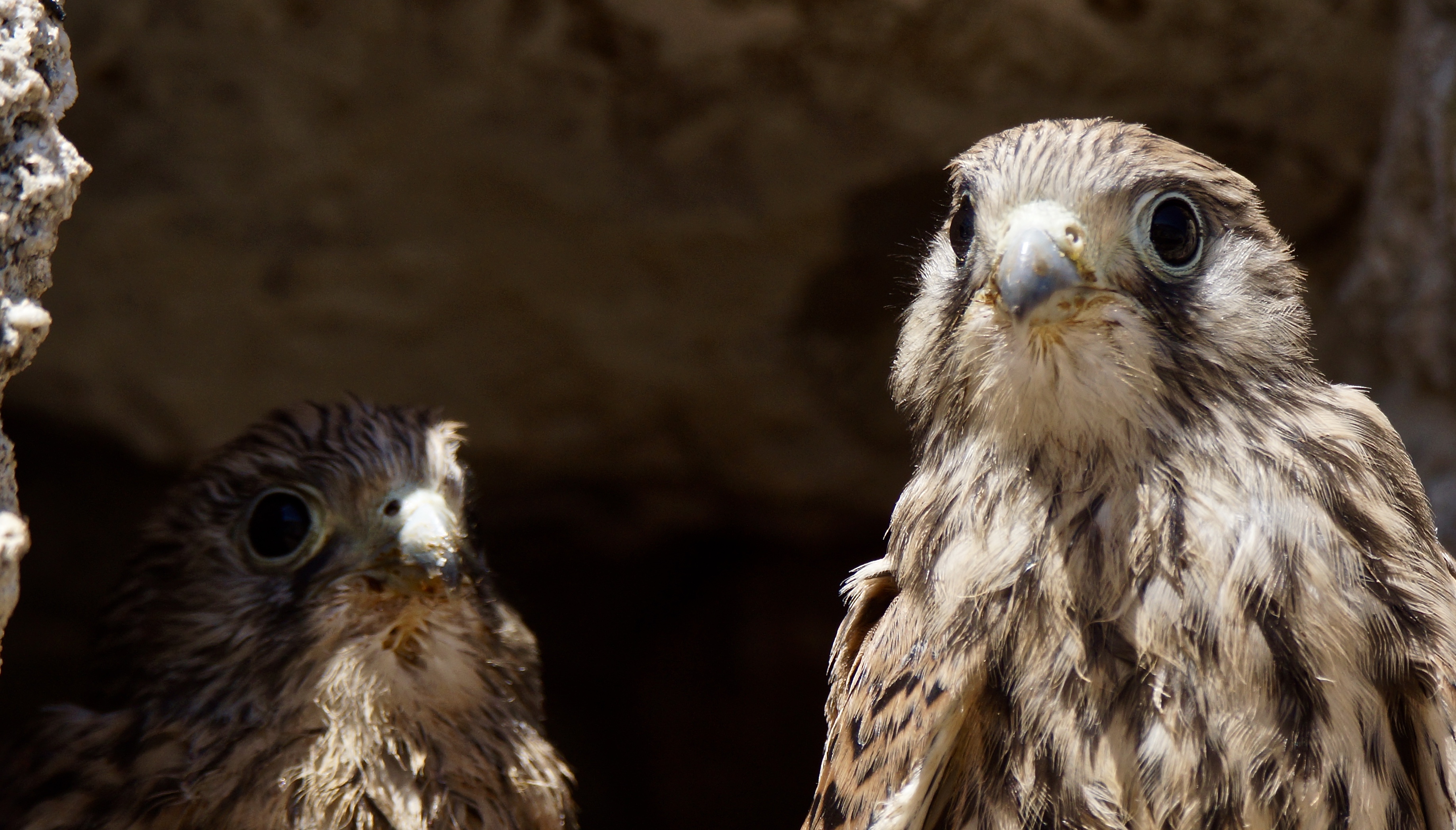
 Marsh Harriers, Common Buzzards and both Kestrel species quartered the land, and the group had stunning views of an adult Short-toed Eagle, first perched up on a telegraph pole and then low overhead.  Two Black-winged Kites were also distantly visible hunting over the fields. 

 Another superb sighting for the day was a Greater Spotted Eagle, which drifted overhead as the group picnicked by a river.  A couple of these magnificent raptors, normally associated with the Eastern Palearctic, have been recorded wintering at La Janda and we were able to get a good look at the diffuse light patch on its upper wing, compact wing shape and distinct upperpart spotting which made it stand out from more typical local raptors.

fullsizeoutput_229a

 The group members were by now firm converts to urban birding, so our bins were very much at the ready as we headed in to Benalupe village for an afternoon coffee stop!  This didn’t go amiss as we passed a large kettle of newly arrive Black Kites over the town, bringing the day’s total to around 300 birds.  Outside the café in the peaceful town square, we were treated to the aerial antics of Barn Swallows and Crag Martins, as well as cruising Griffon Vultures.

Does that sound like your kind of day out?  We’ll be going back there soon!  We’d love to take you with us on one of our Strait Birding and Cetaceans tours in Spring or Autumn, Birding Two Continents (next running in September) or Ronda and the Straits in October

Flying Kites in the Straits

How we love waking up to find the wind has dropped!  Strong winds stop migrating raptors in their tracks, so when a stiller day follows a couple days of bad weather, we know it will be a good one for northward movement, as the birds take the opportunity to continue their journeys. This time it coincided with the second day of a tour with our group from Honeyguides, and we were looking forward to sharing the upcoming spectacle with them.

On days like this, it’s important to use local knowledge to anticipate where the birds will be crossing.  A group of ten or so Alpine Swifts passing high over Huerta Grande first thing certainly boded well, so after breakfast we headed straight to Cazalla watchpoint, which looks down over Tarifa beach.  Sure enough, after a brief period of enjoying the differences between the singing Thekla and Crested larks, we spotted a group of a dozen or so Black Kites drifting west over the town below us, and the game was on!

As the air warmed and the wind subtly changed direction, we spent a very exciting morning between Cazalla and El Trafico watchpoints, eventually heading east along the coast to the Guadalmesi area.  Amongst the ever-arriving Hirundines, huge groups of Black Kites were crossing the sea in towering columns of 50+ birds at a time and arriving low all around us.  It was a thrilling site and we counted over a thousand birds overall during the morning.  Black Kites are the earliest raptors to make the journey north, but the tide of other species was also beginning.  We were lucky enough to catch four Egyptian Vultures and four Short-toed Eagles arriving early, as well as Sparrowhawks, Lesser Kestrels and a Marsh Harrier.

Steph and Dave enjoy a kettle of kites

After a celebratory ice cream at the Mirador del Estrecho, we headed off for some mountain birding at Sierra de la Plata, near Bolonia. Simon and Niki took the group along winding tracks through remote countryside covered in wizened wild olive trees and newly flowering Cistus scrub to a beautiful viewpoint overlooking the village of Bolonia and Baelo Claudia roman ruins.  These well-preserved ruins used to be a thriving town which became prosperous due to the local tuna fishing trade and the manufacture and export of ‘garum’, a predecessor to modern day fish sauce.  As the Roman Empire was falling, a string of earthquakes hit the Iberian peninsula, from which the town never recovered.  Today its distant crumbling columns alongside the white sands and azure sea of Tarifa bay provided a picturescue backdrop to a signature Inglorious Bustards picnic lunch, which the group enjoyed while watching soaring Griffon Vultures and hovering Common Kestrels. We also stumbled upon a stunning male Blue Rock Thrush, perched up right by the track, providing perfect opportunities for Rob and Dave to get some great photos.


fullsizeoutput_2326
flirty Blue Rock Thrush


Moving on up the track, we reached a stark rocky outcrop surrounded by swirling Crag Martins, which hosts a colony of resident Griffon Vultures.  The group was blown away by the breath-taking close views and eerie ‘prehistoric’ screeching of these imposing birds as they came in to roost.  While at the site, we really had chance to get to grips with the scratchy call and song of the many Sardinian Warblers in the low scrub, and a couple of individuals put on a great show for the photographers in the group.  We also got scope views of two Iberian sharpei Green Woodpeckers flitting round the rocks, although perhaps not quite well enough to see the reduced black around the eye which distinguishes them from the Northern European sub-species.

fullsizeoutput_2258
Griffon Vultures – lush!

Arriving home in plenty of time for dinner, we took the opportunity to make a short exploration of the grounds at Huerta Grande.  Wending up through the Cork Oaks and Laurel bushes, we took some time to look out over an area of low intensity farmland which was home to the famous free range Iberian black pigs.  Here we were surrounded by glittering late afternoon Serin song, and after a bit of trying had excellent views of a pair of Hawfinches perched in a wild olive tree.

Does this sound like an experience that would fly your kite?!  Have a look at our selection of Straits-based tours, all of which are planned to feature magical encounters with migrating birds…

Welcome to our world

Last week we hosted a lovely bunch of folk – David, Steph, Rob, Julia and Anne – on behalf of Honeyguides wildlife tours.  With stays on both sides of the Straits of Gibraltar, we managed to build up a great quality bird, butterfly and plant list from European farmland and cork oak forest, Moroccan mountain habitats and wetlands and salt pans on both sides of the Straits, as well as views of hundreds of migrating Black Kites, Short-toed Eagles and other raptors. And of course the superb local food and culture throughout should go without saying…

Day 1 was all about settling in.  We met the small but perfectly-formed group at Gibraltar airport, from where we made the short walk across the border to finally arrive in Spain.  The minibus swiftly took us on the short journey to our first base at Huerta Grande Ecolodge, and the mood was good as the outskirts of Algeciras, peppered with huge White Stork nests, gave way to the rugged hills and cork oak forests of Los Alcornacales Natural Park.

Los Alcornacales natural park

Huerta Grande is a collection of tranquil log cabins and post-colonial buildings set within seven acres at the edge of the park itself.  Here we sat down to a light lunch while Simon gave a brief introduction to the fascinating history and ornithology of the area.

After lunch the group settled into accommodation at Casa del Espia, a building at Huerta Grande that used to house Italian and German Spies during WWII while they monitored British shipping movements in the Straits of Gibraltar.  It now nestles quietly amongst Cork Oak and Laurel bushes, with a forest floor of Intermediate Periwinkle, Wild Garlic and Bermuda Buttercup (non-native, but still very attractive!).

Heading out along the coast we stopped in at El Trafico raptor watchpoint, right down at the edge of the cliffs overlooking the Straits of Gibraltar.  Although the crosswinds were a little high to offer a major migration event today, we love to bring groups to this place, where you are almost level with the sea and North Africa looks so close you could reach out and touch it.

View across the Straits

Our stop gave us excellent views of Northern Gannets and Sandwich Terns close in to the shore, and groups of Cory’s and Scopoli’s Shearwaters out to sea. Although the soaring birds didn’t fancy their chances against the crosswinds this afternoon, we were delighted to be in the middle of a steady stream of Sand Martins, Barn Swallows and House Martins arriving back into Europe.

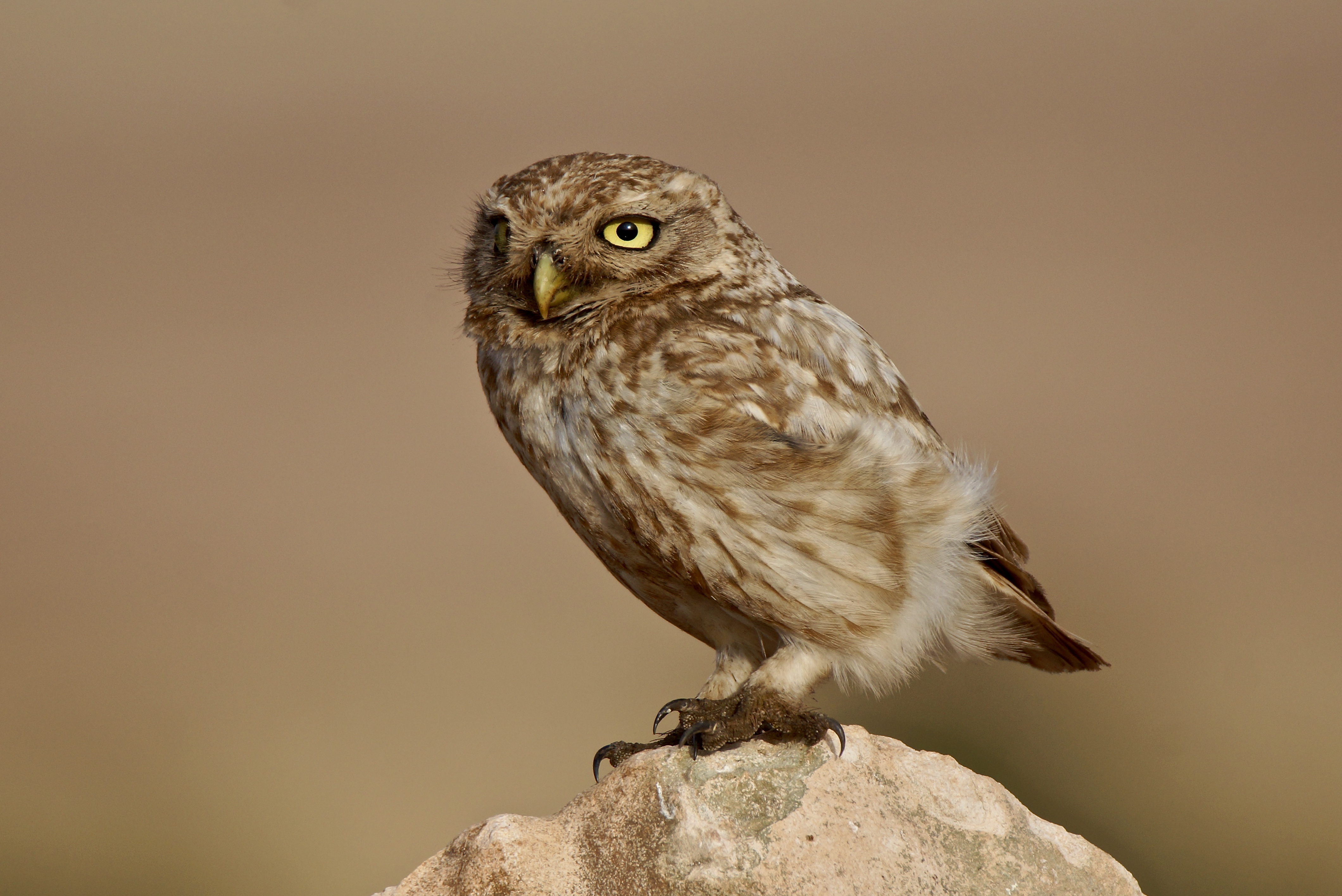
To complete our first relaxed day and help the group orientate, we headed into the picturescue Old Town of Tarifa for some ‘urban birding’!  The group were perhaps a bit bemused at first to find themselves birding in a car park, but understanding soon dawned as they were treated to Common Bulbul singing from the palm trees, Lesser Kestrels overhead and a very obliging Little Owl looking down on us from a Eucalyptus! The car park fence brought more gems, with Ramping Fumitory growing all along its base and a Black Redstart perched on it, and we were even lucky enough to glimpse a Black Stork gliding overhead.

IMG_2729
Lesser Kestrel – with a snack!

A short walk through the delightful plazas and winding streets of the Old Town took us to the Castillo de Guzman, Tarifa’s 1000-year-old fortified castle by the sea.  This imposing structure is not only impressive to visit but also hosts a colony of Lesser Kestrels, seven or eight pairs of which had already returned, and were super-active overhead as they rekindled their relationships and rebuilt nests in the holes and features of the fort’s stonework. Lots of Spotless Starlings were also on show doing much the same thing, and there was also a beautifully crisp Black Redstart happy to pose for photos!

We paused at the hilltop Mirador del Estrecho restaurant for a well-earned coffee and another stunning view of the Straits, before making the short trip back to Huerta Grande so the group had plenty of time to relax from their journey before dinner.

Does this sound like your cup of cafe con leche?  Have a look at our selection of Straits-based tours  and grab an opportunity to come and see our world…


Hold the front page! We’ve teamed up with @theurbanbirder and @TUBTours to bring you more!

Here at Inglorious Bustards we take pride in bringing you the best of birding and migration spectacles along the East Atlantic flyway, all nothing to do with racing around ticking birds and more about enjoying landscapes, habitats, culture and having a good laugh – at a relaxed pace.

 So we’re delighted to say we’ve found a soulmate in David Lindo, aka The Urban Birder.

As well as being a successful author, journalist and TV presenter, with a passion for bringing wildlife to the masses, David has been running his own fantastic tours to destinations across the globe for years, in a similar spirit to ourselves, and with a special interest in Eastern Europe.  We’ve joined forces to bring you a fantastic range of tours for 2017, all including a laid-back ethos, an element of conservation and, of course, time spent urban birding.

We’re really excited about the year to come!  Have look at our tours page, and David’s fantastic Urban Birder World offerings to see what we’ve got in store.  It’s sure to have you reaching for your bins and passport!


The Dance Begins!!

The migratory orchestra has been warming up here in the Straits for some weeks now, with steady trickles of hirundines, storks and black kites coming through, but today the opening chords were struck in earnest and the show was underway!

It’s been raining on and off for two days solid here, with unfavourable winds undoubtedly causing a bottleneck of impatient birds around the northern coast of Morocco.

But today the south-westerly winds provided the perfect lift and tailwinds for our performers waiting in the wings, and the dance began!

The winds swept away most of the last of the wet weather and – like a cork had been popped from a bottle of joyous raptor champagne – the birds began to surge across the Straits!

We were looking out over our usual patch neighbouring our base at Huerta Grande, admiring Crag Martins, Cirl Buntings and the stunning view across to Morocco’s Jebel Musa mountain, when we noticed the first two Egyptian vultures, already safely across the sea.  It was just moments till we saw the towering kettle of 30 or more black kites, also just about to reach our shores.

At last, it was time to give the trusty Inglorious Bustards raptor-watching chairs their first proper outing of 2017!

Best seats in the house…

We spent a lush couple of hours watching the migratory waltz unfold, yielding Egyptian Vultures, Black Storks, a brookei Peregrine Falcon, crossing Sparrowhawks and Lesser Kestrels, four early but absolutely gorgeous Short-toed Eagles and an impressive 109 Black Kites,  powering across the sea like the cool, scary bit in a paso doble.

And this is just the beginning!  This spectacle will build and build as the East Atlantic Flyway’s migratory raptors move north to breed, coalescing and descending on this tiny strip of sea called the Straits of Gibraltar.  For us, experiencing this powerful event has led to a life-long fascination with avian migration.

It’s no accident that we have chosen our base to be here at Huerta Grande Eco-lodge.  Our location between Gibraltar and Tarifa puts us right at centre stage of birding in the Straits and, from a migrating raptor’s point of view, we must surely also be at the centre of the world!

What are you doing this Spring?! Don’t you think you need to make sure you’ve got stageside seats to the hottest show in town?? Check out our tours page to make sure you don’t miss a thing!

img_5710

At 8.10am @Jonny09Jonny and @robert_yaxley set off on #Dovestep3 into a raging storm most likely never to be seen again…

A raging sea and a howling ‘Poniente’ storm provided the dramatic opening ceremony for #Dovestep3 this morning, at dawn on Tarifa beach, where we sent the brave lads on their way.
They left the southerly-most point of the Spanish mainland at 8.10am, all set to walk the 700 mile distance to Gijon on the north coast of Spain in marathon distances every day for a month.

They will be best remembered for their heroic fundraising efforts, pioneering the Dovestep project which sees them undertake vast journeys of hundreds of miles on foot, to raise money for Turtle Dove conservation. They will be sadly missed by the birding, and indeed the metalling community.

It was to be our honour to host them in comfort here in a log cabin at Huerta Grande ecolodge for the first couple of legs of their journey north. Their trusty driver Sven – who survives them – will no doubt take some time to recuperate and pursue his botanical interests here in the beautiful grounds.


We will know by later today whether the lads have made it through their first day, and look forward to hearing the first tales about their 1000 km dash, the concept of which has met with a mixture of amusement and incredulity from locals…

You can support Dovestep 3’s heroic efforts by parting with a few groats at https://www.justgiving.com/fundraising/DoveStep3

Introducing the Choc and Pode Tour – Part 1: Pode!

Morocco.  Full of exotic sights, sounds and smells, stunning wildlife and engaging people, this place is exciting and adventurous yet at the same time accessible and safe. The Inglorious Bustards have explored far and wide together but this is one of the countries we can’t get enough of.

That’s why, armed with some exciting gen about where we could find some real star species, we set off on a vast road trip from Tarifa to Marrakech, with our trusty colleagues Juan-Louis and Miguel, with a mission to develop a tour to bring you Andalusian Hemipode, Eleanora’s Falcon and all the other birding delights on the way.

As with any tour, the slick, well-organised finished product belies a host of adventures and mishaps on the way!  So here’s the no-frills version of what we went through to bring you Choc and Pode!

We’d been on the road for several days already, researching a different set of destinations (watch this space!) by the time we reached the first recky point for this tour, Oualidia.  Imagine then, how pleased we were to find this pretty, bustling little resort town, nestling around a languid crescent-shaped lagoon on Morocco’s Atlantic coast.  We stretch our legs and watched House Buntings in the streets before tucking in to freshly-caught fish in a local restaurant.  

img_3138

After lunch we washed away the road-weariness with a refreshing boat trip out onto the peaceful waters of the lagoon, fringed with golden sands and protected from the Atlantic surf by a rocky breakwater.  Within minutes, beach-going families gave way to Marbled Ducks, Greater Flamingoes, terns and a host of wading birds replete in their summer plumages.  Our skipper, Hassan, knew the creeks and gulleys like the lines on the face of a loved one, and he got us mesmerizingly close to Kentish Plovers, Ruddy Turnstones, stunning Black-and-Silver Grey Plovers as well as getting us some of the best views of perched Osprey that I’d ever had.

But this was simply the hors d’oeuvre, for it is in this area that we knew we could find the Common Buttonquail or the more romantically-named Andalusian Hemipode if you prefer.  Or, when you’ve discussed it as much as we have, simpy ‘Pode’.  Thought extinct, the small population that breeds here was rediscovered in the 2000s. On the neighbouring farmland, in 2007, a living Andalusian Hemipode was photographed for the first time in the Western Palearctic.

It’s easy to see why the nearby farmland is ideal. The farming methods here are traditional and non-intensive.  Rolling fields stretch right down to the coast to meet marshes, reedbeds, saltpans, sandy beaches and rocky outcrops.  In my book, you know it’s going to be a good day if you see a Turtle Dove on farmland, and see them we did, along with Southern Grey Shrikes and Black-eared Wheatears.


Our contact, a local farmer, though we had no word of common language, has clearly come to know and love his Podes, as he observes them amongst his pumpkin crops.  We were pleased to see he clearly understood their importance and sensitivity, and confident that his help in finding them represents ecotourism in its purest form.  He knows exactly where to look and he was happy to allow us to explore his land.  So engrossed were Miguel, Simon and I in searching the surrounding pumpkin fields for signs that it took us quite a while to notice that by now Juan-Louis had retired to the shade of the farmer’s hut to enjoy a Prickly Pear or two!

It should go without saying that it is vitally important for the future of this population that bird-watchers keep a respectful distance from potential nest sites when they visit.  We visited outside the breeding season when activity was low, but luckily the many farm tracks through scrub and fallow land offer plenty of opportunities to hear and perhaps even see this most elusive of birds without resulting in disturbance.

Ahead of us lay an enjoyable afternoon exploring the area’s superb mixture of salt pans, brackish and fresh marshes, and sandy and rocky beaches opening straight onto the Atlantic Ocean, where gulls and terns mix with Greater Flamingos and a bewildering array of migratory wading birds.


Juan-Louis is also utterly passionate about Morocco.  He’s been coming here for decades and if you cut him, he bleeds tagine.  I’ve never seen anyone look more at home than he did as we chilled out in the shade of a rickety beach bar, with a mint tea and some traditional Moroccan music, and let our thoughts start to coalesce about how a trip might look…

We will be running Choc and Pode for the first time this June – it’s completely new and to our knowledge nobody else does a trip like it.  Find out more here and be sure to look out for Part Two: Choc!